
Copywriting
Designer
Developer
An education website has to help prospective students discover the right program, understand the institution and take the next step. We combine program architecture, admissions-focused UX, CMS management, search visibility and integrations so the site supports enrollment without creating more administrative work.
• Build dedicated program pages with clear outcomes, requirements and CTAs • Organize campuses, delivery formats and schedules so students can compare options • Capture inquiries, applications and open-house registrations through focused forms • Connect leads to CRM, admissions, email and automation workflows • Give staff a CMS for programs, faculty, events, resources and location updates • Build an SEO structure that can grow by program, campus and high-intent search topic
Custom websites for colleges, career schools, academies and training providers built around your programs, admissions process, campuses, delivery formats and enrollment goals—not a generic school template.
We rebuild outdated education websites with clearer programs, stronger trust signals, faster mobile performance, better inquiry paths and a structure that supports program-level and local search.
We build scalable program and course collections so staff can update descriptions, start dates, requirements, delivery formats, campuses and related content without rebuilding pages manually.
We create focused forms and pathways for program inquiries, applications, campus tours, open houses and advisor appointments so prospective students can take the right next step quickly.
We can connect supported CRMs, admissions systems, calendars, email platforms, analytics and automation tools so inquiries reach the right team with program and source context intact.
We structure individual program, campus and high-intent search pages and implement analytics so education teams can see which searches, programs and campaigns are producing qualified inquiries.
Prospective students frequently research programs on phones. We make program navigation, requirements, delivery formats, campus details, inquiry forms and calls-to-action easy to use on smaller screens.
Every program page should answer the questions that affect a decision: what the student will learn, who the program is for, how long it takes, where or how it is delivered, what is required and how to inquire or apply.
We build crawlable pages around real program offerings, campuses and high-intent education searches, then connect them with clear internal linking so both students and search engines can understand the relationship between programs, locations and resources.
A strong education website should reduce uncertainty for prospective students, make program information easy to compare and give admissions teams a clear path from organic search or paid traffic to a qualified inquiry.
Program discovery should be the center of the information architecture, not buried behind generic navigation.
Group programs by career area, credential, delivery format or campus when those categories help students make decisions.
Each program should have a dedicated page with unique information rather than forcing every offering into one long catalog page.
Someone researching a program for the first time needs a different next step than someone ready to apply.
Use program inquiry forms, advisor bookings, open-house registrations and application links where they match the decision stage.
Capture the program, campus and source automatically when possible so admissions teams receive useful context.
High-intent education searches are often specific to a credential, career outcome, campus or delivery format.
Program pages should include useful detail on curriculum, duration, prerequisites, delivery options, start dates and next steps rather than thin keyword-focused copy.
That structure gives Google a clearer page to rank and gives prospective students a better answer when they land.
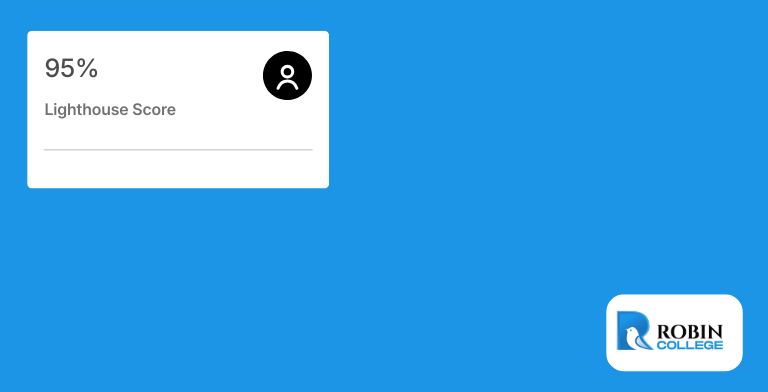
Robin College is a documented example: after migration and optimization, organic program searches increased 56%.
An education website becomes more valuable when inquiries do not stop at a general inbox.
Where supported, we connect inquiry forms, advisor bookings and campaign landing pages to CRM, admissions, email, calendars and automation workflows.
That preserves program and campaign context and reduces manual re-entry for staff.
Prospective students are evaluating credibility as much as they are evaluating the program itself.
Use accreditation or institutional details, faculty expertise, program outcomes, testimonials, campus information and clear policies where they are accurate and available.
Specific proof is stronger than broad claims and helps students understand what makes the institution a credible option.
Institutions with multiple campuses or delivery formats need an architecture that separates real location intent from duplicated content.
Campus pages should explain the location, programs offered there, delivery details and student resources; program pages should describe the actual offering in depth.
Internal links should connect programs to campuses, admissions resources and related career content naturally.
Education decisions usually involve extensive research before a form submission.
Program guides, career-path content, admissions FAQs, financing information, delivery-format explanations and student resources can capture informational searches that lead into program pages.
The goal is not publishing for volume; it is answering the questions that move serious prospective students toward a confident next step.





.png)
.png)