Copywriting
Designer
Developer
Designer
Copywriting

Copywriting
Developer
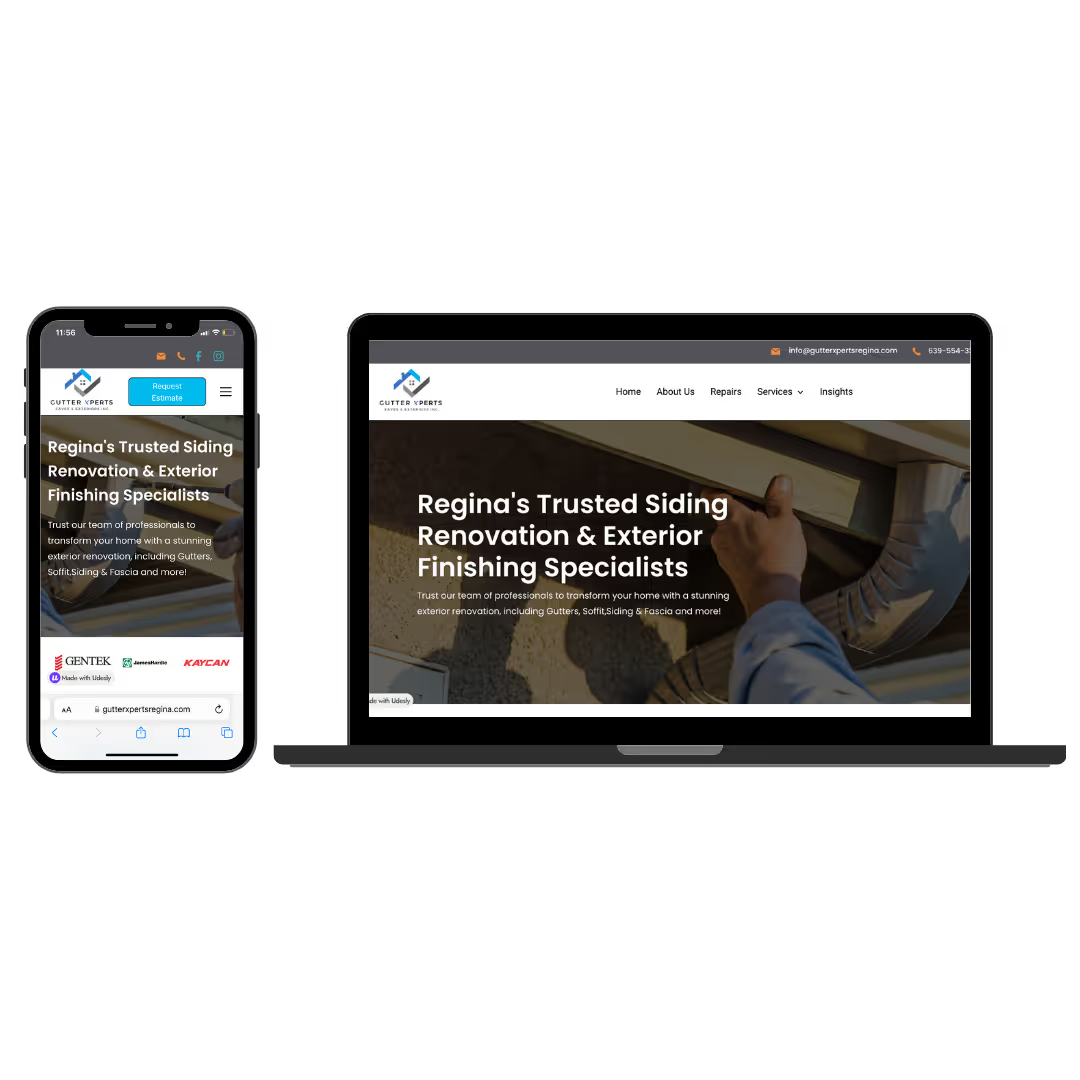
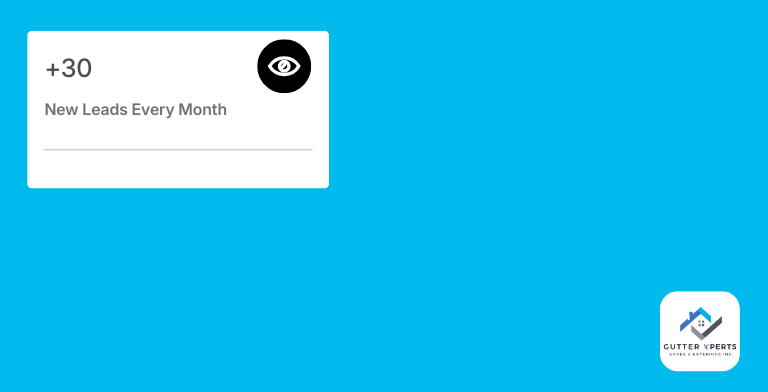
A contractor website should do more than show a logo and phone number. We build around the services you want to sell, the areas you actually serve, the proof buyers need before contacting you and the systems that turn an inquiry into a real sales opportunity. Our GutterXperts Regina case study documents more than 30 consistent leads every month.
• Give high-value services their own search-friendly pages • Showcase completed projects, before-and-after work, reviews and credentials • Build service-area content around the cities and communities you genuinely serve • Capture project type, location, budget range, timelines and photo uploads in quote forms • Connect leads to CRM, email, calendars, analytics and follow-up workflows • Support Google Ads, Local Services Ads, local SEO and conversion tracking
Custom websites built around your highest-value services, project types, service areas and sales process. The structure is designed to make your company easy to understand and easy to contact from any device.
Rebuild outdated contractor websites without losing the useful content, rankings or brand recognition you already have. We improve mobile UX, service clarity, project proof, speed and conversion paths.
Manage completed projects, before-and-after photos, locations, scopes and service details through an easy CMS. New projects become useful sales proof and supporting local content instead of sitting only in a photo folder.
Turn more visitors into usable opportunities with quote forms that can collect service type, project location, timing, budget range, contact details and photo or file uploads before your team follows up.
Connect website inquiries to your CRM, email, calendars, call tracking and follow-up workflows so leads do not disappear between the website and your sales process.
Add services, service areas, project pages, landing pages and integrations as your construction business grows. We can also support tracking, technical improvements and ongoing search campaigns.
Many contractor searches happen on a phone while someone is comparing companies, looking at reviews or dealing with an urgent service need. We prioritize fast mobile load times, clear service navigation, click-to-call actions and short paths to request an estimate.
Each key page should answer the buyer's next question: what you do, whether you serve their location, whether you have completed similar work and how to get a quote. Project proof, reviews, warranties, credentials and clear calls to action are placed around that journey.
We structure contractor sites so important services and genuine service areas can earn their own search visibility. That can include focused pages for roofing, siding, renovations, concrete, HVAC, plumbing or other core services, supported by project content and locally relevant internal links.
The strongest construction and contractor websites make it easy for both customers and search engines to understand the company's services, experience and service area. These are the principles we use when building sites for general contractors, builders, renovators, roofers, exterior companies and skilled trades.
A construction company may offer new builds, renovations, additions and commercial work. An exterior contractor may offer roofing, siding, gutters, windows, soffit and fascia. Those services should not be buried inside one generic services paragraph.
Dedicated service pages give each important offering room for useful project examples, FAQs, process information, reviews and a clear quote path. They also create stronger landing pages for searches such as roofing, siding, renovations, concrete, HVAC, plumbing or electrical work.
A clean contractor site architecture is usually Home → Services → Individual Service Pages → Projects → Service Areas → About → Reviews → Request a Quote.
Construction buyers want evidence that you have completed work similar to theirs. Project galleries should show more than a grid of photos: include the project type, location, scope, services completed and useful before-and-after context where available.
A CMS makes it possible to add new projects without rebuilding the website. Over time, those project pages become a growing library of sales proof and locally relevant content.
The best examples can also be reused on service pages so a roofing visitor sees roofing work and a renovation visitor sees renovation work instead of the same generic portfolio everywhere.
For a high-value home or commercial project, trust is part of conversion. Reviews, years of experience, insurance, licensing, WCB coverage, warranties, manufacturer certifications and professional associations should be visible where they help reduce risk for the buyer.
That proof should appear beside relevant services and projects instead of being isolated on an About page that many visitors never open.
Clear company information also helps local search engines connect the website with the same business represented in Google Business Profile and other local listings.
The result is a site that feels established before the visitor ever makes the first call.
A useful estimate form can collect more than a name and email. Depending on the business, it can ask for project type, address or service area, preferred timing, budget range, project notes and photo or file uploads.
Those leads can be routed into your CRM, inbox, calendar or follow-up workflow so the website becomes part of the sales system rather than a separate marketing brochure.
Call tracking and conversion tracking can also show whether leads came from organic search, Google Ads, Local Services Ads or another campaign.
Contractors often serve multiple communities, but location pages work best when they reflect markets the company genuinely serves. For a Regina-area contractor, that might include Regina and selected surrounding communities such as White City, Emerald Park or Moose Jaw when the business has real service coverage there.
Each useful location page should contain relevant services, project examples, local details and an appropriate path to request a quote rather than duplicating the same city-swapped paragraph.
This creates a stronger foundation for searches where customers combine a service with a city or community.
A contractor website should support the searches that actually lead to projects. Depending on the company, that can include terms such as construction company Regina, general contractor Regina, home renovations Regina, roofing Regina, siding contractor Regina or commercial construction Regina.
We organize pages, internal links, titles, supporting content and conversion tracking so organic search and paid landing pages reinforce the same core services instead of competing with one another.
That gives the business a scalable website foundation for local SEO, Google Business Profile activity, Google Ads and future service expansion.
Our contractor website work is built around the realities of local and regional service businesses: seasonal demand, mobile search, strong Google reviews, service-area competition and the need to turn traffic into booked estimates.
For Saskatchewan companies, we can structure the site around the markets you actually serve while keeping the architecture flexible enough to add new services or communities later.
The objective is simple: make the company easier to find, easier to trust and easier to contact when a qualified customer is ready to start a project.




.png)