Increase in Overall Leads
Planet Window Cleaning is a local exterior-cleaning business serving customers who typically search when they already have a specific service need. The business had an established online presence, but the website and acquisition channels were not working together consistently enough to turn that intent into predictable inquiries.
This became a home services lead-generation case study combining website improvements, local SEO, Google Ads and Local Services Ads. The objective was not simply to increase traffic. It was to make more of the existing and paid visibility convert into qualified local leads.
The project is a useful example of how our home services website, SEO and paid acquisition work can operate as one system.

Planet Window Cleaning had reliable services and an existing website, but lead generation was inconsistent. The weakness was not one isolated channel:
For a local service company, sending more traffic to an unclear landing experience can simply create more wasted clicks. The website, SEO and paid campaigns therefore had to be improved together.
The combined website, SEO and paid-search work produced measurable improvements in lead generation and engagement.
The result was a more dependable acquisition system: search visibility, paid campaigns and the website experience worked together instead of sending traffic into disconnected pages.
This project demonstrates the relationship between home services web design, SEO and digital marketing services.
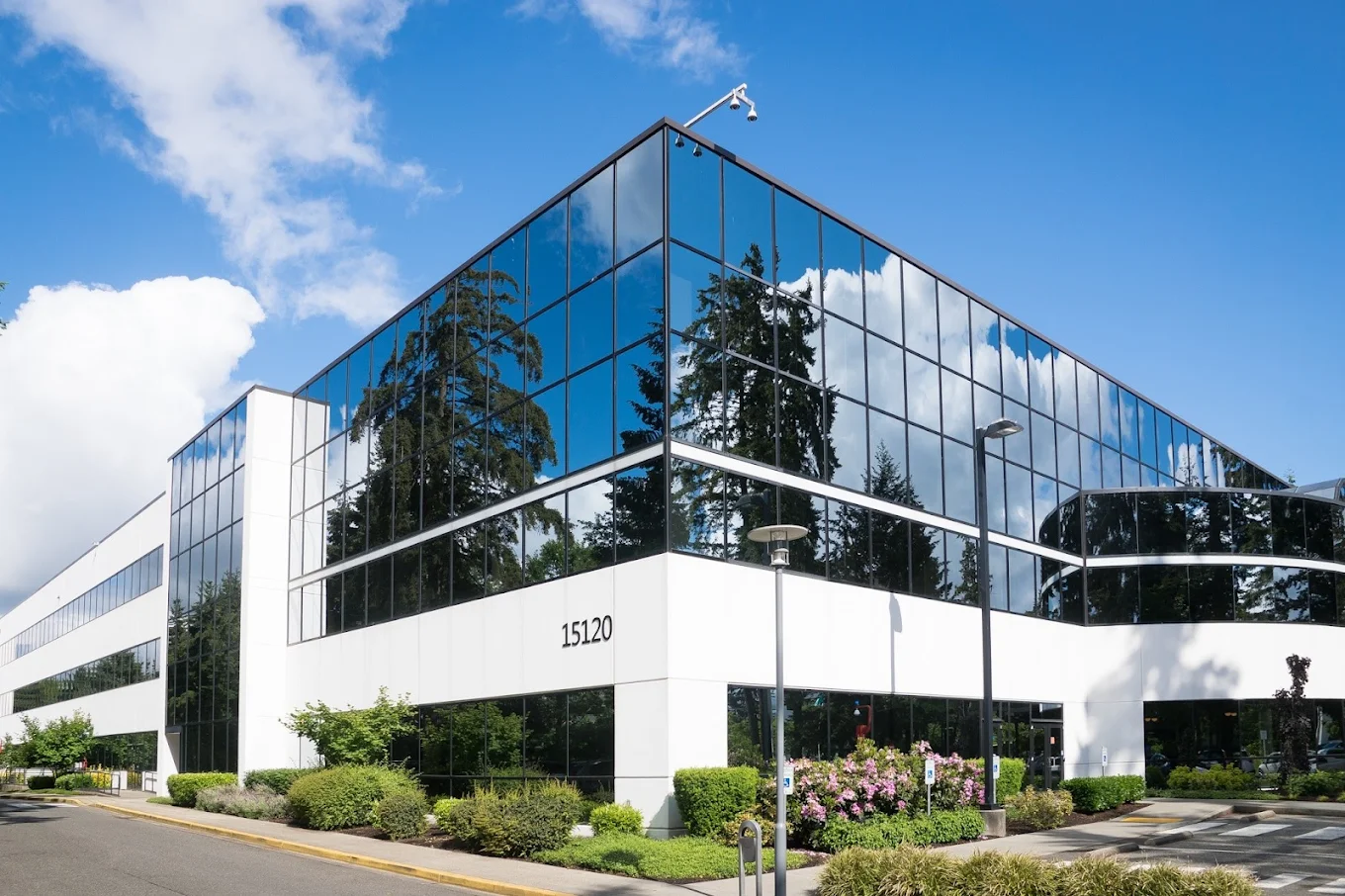
The website work focused on reducing friction between a local search and an inquiry.
The same conversion principles inform our home services website design work: a page should quickly confirm relevance, build trust and make the next action obvious.
SEO was treated as the long-term acquisition layer underneath the paid campaigns.
Paid acquisition was then able to land on pages already designed around the same customer intent instead of operating as a separate funnel.
Content was rewritten to make service pages easier to evaluate quickly. The focus was practical rather than promotional: explain the service, establish local relevance, answer common questions and move the visitor toward an inquiry.
We simplified service descriptions, improved scannability and added supporting trust language at decision points. This made the content useful for both organic search visitors and paid traffic.